
Blockchain Development Services
Blockchain is changing the game in how businesses operate, offering secure, transparent, and fast solutions. At Genius Software, we specialize in building custom blockchain solutions to help companies unlock new opportunities. Whether you’re looking to develop a private blockchain, launch a crypto project, or streamline operations with smart contracts, we’ve got you covered.
Our blockchain development services go beyond just coding. We help businesses with strategy, architecture, and seamless integrations. With blockchain becoming more than just a trend, it’s the future of transactions and data sharing. Partner with us, and we’ll get you ahead of the curve with cutting-edge blockchain solutions that fit your business perfectly.
Trust Genius Software to bring blockchain expertise to your table—whether it’s for finance, logistics, healthcare, or beyond. Ready to dive into the world of blockchain? Let’s do this!

Why Blockchain is a Game-Changer for Business
Blockchain technology is transforming industries by enabling secure, transparent, and tamper-proof data transactions. It’s not just about cryptocurrencies anymore—blockchain powers smart contracts, decentralized finance (DeFi), NFTs, supply chain solutions, and much more.
What Exactly is Blockchain?
At its core, blockchain is a distributed ledger. Imagine a notebook where every transaction is recorded in a way that can’t be changed or deleted. No more middlemen, no more delays—just instant, verified transactions. Businesses can use public blockchains like Ethereum or private, permissioned blockchains for internal operations.
Why Your Business Needs Blockchain Now
Companies are adopting blockchain to improve efficiency, reduce fraud, and enhance transparency. Here are some ways blockchain makes a difference:
- Smart Contracts: Automate agreements, payments, and processes.
- Supply Chain Transparency: Track products from start to finish in real-time.
- Secure Data Sharing: Control who accesses your data.
- Decentralized Finance: Offer new ways to raise capital or handle assets.
Blockchain reduces costs and opens doors for innovative business models, making it a must-have for forward-thinking companies.
Our Blockchain Development Process
- Discovery Phase: Understand your goals and explore blockchain use cases.
- Design & Architecture: Map out the technical architecture for your solution.
- Development: Build, test, and optimize your blockchain solution.
- Integration: Seamlessly connect with your existing systems.
- Deployment & Support: Launch and provide ongoing support.
Industries We Serve with Blockchain Solutions
- Finance: Secure transactions, DeFi, crypto wallets, and exchanges.
- Healthcare: Manage patient records and supply chain logistics.
- Logistics: Track shipments and prevent fraud with transparent data.
- Real Estate: Simplify property transfers with smart contracts.
At Genius Software, we design blockchain solutions that fit your industry and make your business smarter.





Blockchain Use Cases That Will Blow Your Mind
Blockchain isn’t just hype—it’s delivering real results in many industries. From automating complex contracts to tracking shipments across borders, blockchain is helping businesses save time, reduce costs, and improve security. Below are six exciting ways blockchain is transforming the world.
Smart Contracts for Automation
Smart contracts are digital agreements that automatically execute when certain conditions are met. No paperwork, no middlemen—just instant results. Businesses can use smart contracts to automate payments, enforce agreements, and manage supply chains more efficiently.
Supply Chain Transparency
Blockchain makes it easy to track products from start to finish. Every step of the process—from manufacturing to delivery—is recorded on the blockchain, giving companies full visibility. This transparency builds trust with customers and helps prevent fraud.
Crypto Payments & Digital Wallets
With blockchain, businesses can accept crypto payments without depending on traditional banks. Digital wallets enable fast, secure transactions, which is great for e-commerce and international trade.
Decentralized Finance (DeFi)
DeFi allows businesses to borrow, lend, and trade without banks or intermediaries. Blockchain-based financial tools offer new ways to manage investments, raise funds, and handle assets.
Tokenization of Assets
Blockchain enables companies to tokenize real-world assets like property or art. Tokenization makes it easier to transfer ownership, raise capital, or trade assets on digital marketplaces.
Blockchain in Healthcare
Healthcare organizations use blockchain to securely store and share patient records. It ensures data privacy while improving collaboration between providers. Blockchain can also track the supply of medicines and vaccines, reducing counterfeit risks.
Our Process

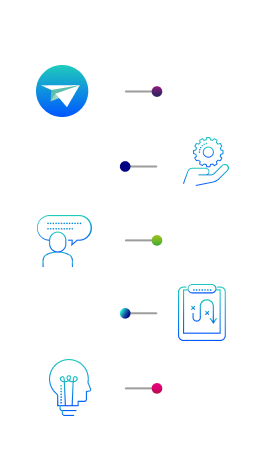
Get estimation

Outsource software development

Tell your requirements

Choose cooperation model

Release your product
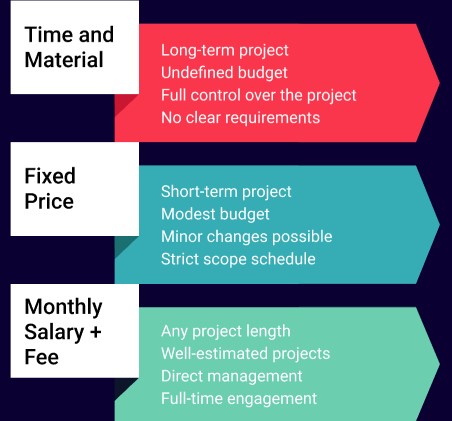
Our Engament Models
Why Choose Us

Cost-Effective Strategy

Competent UI/UX Designers

Agile Project Management

Expertise Variety

Shared Responsibility

Diverse Hiring Models
How Genius Software Delivers Blockchain Excellence
At Genius Software, we take blockchain development seriously. Our team understands the technology inside out and knows how to implement it effectively for your business. We combine deep technical knowledge with real-world experience to deliver solutions that fit your needs. Here’s how we do it in five key steps.
Discovery & Consultation
We start by listening to your goals and identifying blockchain use cases that fit your business.
Customized Blockchain Design
Our experts design a blockchain architecture tailored to your specific needs and industry requirements.
Development & Smart Contracts
We build custom blockchain platforms and smart contracts that improve efficiency and transparency.
Seamless System Integration
Our team ensures smooth integration with your current systems, making blockchain adoption easy.
Ongoing Support & Upgrades
We offer 24/7 support to maintain, upgrade, and optimize your blockchain solution.
Comprehensive Guide to Blockchain Adoption
1. Understanding Blockchain Technology
Blockchain is like a shared digital notebook where everyone can see and verify each entry, but no one can change past records. It’s built on three main pillars: decentralization, transparency, and immutability.
In traditional systems, we rely on intermediaries—like banks or payment processors—to verify transactions. Blockchain removes the middleman by letting multiple participants (called nodes) validate and record transactions on a distributed ledger. This decentralized structure makes it nearly impossible to hack or alter information without everyone noticing.
Each transaction on the blockchain is added as a “block,” forming a continuous “chain” of data. To maintain transparency, every participant can access and verify the history of transactions. This makes blockchain ideal for industries that need trust and security, like finance, healthcare, and logistics.
Another key component is smart contracts—self-executing agreements that run automatically when conditions are met. These contracts make blockchain especially useful for businesses, as they reduce paperwork and eliminate the need for legal intervention.
Blockchain technology is still evolving, but its potential is vast. From NFTs (non-fungible tokens) to decentralized finance (DeFi), blockchain is reshaping how we trade, invest, and store data. It’s not just for tech geeks—it’s a powerful tool for companies ready to innovate and streamline operations.
2. Evaluating Blockchain Use Cases for Your Business
Not every business needs blockchain, but for some, it can be a game-changer. The key is identifying the right use case. Here are a few situations where blockchain makes sense:
Supply Chain Tracking: If your business relies on complex supply chains, blockchain ensures transparency. Each product’s journey is recorded on the blockchain, from manufacturing to delivery. This minimizes the risk of counterfeit goods and builds trust with customers.
Smart Contracts for Automation: If your operations involve repetitive agreements, smart contracts can streamline them. For example, real estate companies can use blockchain to automate property transfers, making the process faster and cheaper.
Digital Identity and Authentication: Blockchain can help manage customer identities by securely storing personal information. This is especially helpful for banks and healthcare providers to reduce identity fraud.
Crypto Payments: Businesses that operate globally can benefit from blockchain-based crypto payments, avoiding high fees from traditional banking systems.
Decentralized Finance (DeFi): If your business deals with loans or asset management, blockchain offers new ways to raise capital, trade assets, or issue loans without needing banks.
Before jumping into blockchain, consider the costs, scalability, and integration challenges. Our team at Genius Software helps businesses evaluate the pros and cons to ensure blockchain adds value—not complexity.
3. Implementing Blockchain Solutions Step by Step
Implementing blockchain can feel overwhelming, but a clear roadmap makes all the difference. Here’s how we guide businesses through the process:
Discovery and Goal Setting:
We start by understanding your business goals and identifying where blockchain fits. This phase helps us spot potential use cases and avoid unnecessary features.Selecting the Right Blockchain Platform:
Not all blockchains are the same. For example, Ethereum is great for smart contracts, while Hyperledger works well for private blockchains. We help you choose the platform that aligns with your needs.Designing the Blockchain Architecture:
Our team creates a technical blueprint of how the blockchain will function and interact with your existing systems. We also design any smart contracts you’ll need.Development and Testing:
This is where the magic happens. We develop the blockchain solution and test it thoroughly to ensure it works smoothly. This includes stress testing smart contracts to prevent bugs.Integration with Existing Systems:
Blockchain doesn’t operate in a vacuum. We integrate it with your other tools and platforms to ensure seamless operations.Deployment and Support:
After everything is ready, we launch the blockchain system and provide 24/7 support. Blockchain technology evolves quickly, so we also offer updates and upgrades to keep your solution up-to-date.
4. Managing Blockchain Security and Compliance
Blockchain is known for being secure, but that doesn’t mean you can ignore potential risks. Security and compliance are crucial for blockchain adoption, especially in industries like finance and healthcare.
Blockchain Security Risks:
While blockchains are nearly tamper-proof, they aren’t immune to attacks. For example, 51% attacks happen when a group gains control of over half the network’s computing power, allowing them to alter transactions.Smart Contract Vulnerabilities:
Poorly written smart contracts are another risk. A coding error in a smart contract can lead to lost funds or failed transactions. That’s why our developers perform rigorous audits before deployment.Data Privacy and Compliance:
In some cases, blockchain must comply with data protection laws like GDPR. While blockchain is great for transparency, storing sensitive data on a public ledger can conflict with privacy regulations. Our team ensures your blockchain solution meets all legal requirements.Private vs. Public Blockchains:
Public blockchains like Ethereum are open to everyone, but they might not be suitable for sensitive operations. We help companies implement private blockchains when they need control over who can access the data.Cybersecurity Integration:
Blockchain should be part of a broader security strategy. We recommend using encryption, multi-factor authentication, and monitoring tools to secure your blockchain network.
By addressing these challenges, we ensure your blockchain solution is safe, compliant, and reliable from day one.
5. The Future of Blockchain and Your Business
Blockchain is still evolving, and its future looks bright. New advancements are making it faster, more scalable, and more energy-efficient, opening the door for even more business use cases.
Blockchain and AI:
The combination of blockchain and artificial intelligence (AI) is a powerful trend. Blockchain provides a secure way to store and share data, while AI can analyze that data to offer deeper insights.Interoperability Between Blockchains:
In the near future, we’ll see more interoperable blockchains—systems that allow different blockchains to work together. This will improve the way companies exchange data and complete transactions across networks.Sustainability with Green Blockchains:
With concerns about blockchain’s energy consumption, new solutions like Proof of Stake (PoS) are emerging. These models are far more energy-efficient than older systems like Proof of Work (PoW).Blockchain for Digital Identity:
Digital identity on the blockchain is expected to grow. Governments and organizations are exploring ways to issue verifiable IDs that are stored securely on the blockchain, reducing identity theft and fraud.The Rise of Decentralized Applications (dApps):
Decentralized applications are software programs that run on a blockchain network instead of traditional servers. These dApps have the potential to disrupt industries by providing more transparent, secure, and censorship-resistant alternatives to existing services.
Businesses that embrace blockchain today will be ahead of the curve when these innovations go mainstream. At Genius Software, we help you adopt blockchain strategically, ensuring your business stays future-ready.
This comprehensive guide equips readers with the knowledge to adopt blockchain confidently, showing them both the benefits and challenges. Let me know if you’d like to adjust or expand any section further!
FAQs
Blockchain is a digital ledger where information is stored in secure blocks linked together in a chain. Each block contains data, a timestamp, and a cryptographic hash that connects it to the previous block. Transactions are verified by multiple participants (nodes) in a decentralized network, ensuring transparency and preventing tampering. This structure eliminates the need for middlemen and provides secure, fast, and verifiable transactions.
The development time depends on the complexity and scope of the project. A basic blockchain prototype may take 2-3 months, while fully customized solutions with smart contracts, system integrations, and testing can take 6-12 months or longer. We ensure smooth development by following a clear roadmap from design to deployment, minimizing delays.
Yes, blockchain is highly secure due to its decentralized nature. Once data is added to a blockchain, it’s nearly impossible to alter without consensus from the network. Transactions are encrypted and verified by multiple nodes, preventing fraud or hacking. However, smart contracts and private blockchains must be thoroughly tested to avoid vulnerabilities. We follow best practices to ensure top-level security.
Absolutely! Blockchain removes the need for intermediaries, automates processes with smart contracts, and reduces paperwork. This can save businesses both time and money. For example, supply chain companies can lower operational costs by tracking goods transparently, while financial services avoid expensive transaction fees through crypto payments.
- Blockchain is useful in multiple industries:
- Finance: Secure payments, DeFi, and crypto wallets.
- Logistics: Transparent supply chain tracking.
- Healthcare: Secure medical records and drug tracking.
- Real Estate: Automated property transfers using smart contracts.
- Retail: Loyalty programs and traceable product origins.
It depends on your business needs. Public blockchains like Ethereum are open to everyone and ideal for decentralized apps or crypto projects. Private blockchains are controlled by specific participants, making them better for sensitive data or internal processes. We’ll help you choose the best option for your goals.
The cost varies based on the project’s complexity, required features, and platform. A basic blockchain solution may start at $30,000, while more advanced platforms with smart contracts, custom designs, and integrations can cost $100,000 or more. We provide transparent pricing and tailor the solution to fit your budget.
We provide ongoing support to ensure your blockchain solution runs smoothly. Our services include regular maintenance, performance optimization, and security updates. If your needs evolve, we offer system upgrades and 24/7 technical support to handle any issues quickly. We’re committed to helping your business thrive long-term with reliable blockchain solutions.
Testimonials