


Hospitality Software That Works as Hard as Your Team
Why the Old Hospitality Tech Stack Is Falling Apart
For most of the last decade, hotels got by on a patchwork: one tool for reservations, another for the website, a third bolted on for loyalty points. It worked well enough when guest expectations were lower and competitors were running the same patchwork. That’s no longer true.

Guests now research and book trips with help from AI assistants, which means a property’s data has to be structured well enough for those tools to actually find and understand it. Dynamic pricing, once a luxury-chain feature, is standard even for twenty-room boutique hotels. Mobile check-in and digital keys aren’t a nice touch anymore — guests expect them by default. And every fragmented system makes all of this harder, because none of these improvements work well when guest data lives in five places at once.
None of this requires a hotel chain’s IT budget. It requires a system built with the right architecture from day one.
Why Teams Choose to Grow With Us
Most agencies take a month just to staff a project. We don’t. Tell us what you need — one engineer or a full team — and we’ll have the right people working on your platform within days, not after a hiring cycle.

No Hiring Overhead
Recruiting a hotel-tech developer takes weeks and a recruiter’s fee. We skip that. You get someone who’s already built booking engines and PMS integrations before, starting this week, at a fraction of what a full-time hire costs once you add benefits and office space.

Designers Using a Front Desk
A booking flow that confuses a guest costs you a reservation. A dashboard that confuses a night-shift receptionist costs you time every single shift. Our designers test against both, not just against what looks good in a mockup.

You See Progress Every Two Weeks
No quarterly status decks. No “it’s almost done” for six weeks straight. We ship in two-week sprints, you see working features as they land, and if something’s off, you catch it before it’s baked into the whole system.

Engineers Who've Touched Hotel Systems Before
Oracle Opera, Cloudbeds, channel managers, payment gateways — these have quirks that aren’t in any documentation. We’ve already hit those walls on past projects, so you’re not paying us to learn them on yours.

We Don't Disappear at Handoff
A lot of dev shops finish the build and vanish. We stay on the same team that wrote the code, which matters the first time something breaks at 11pm during a fully booked weekend.

Pick the Setup That Fits
One contractor for three months. A full embedded team for a year. A fixed-scope project with a hard deadline. Tell us the shape of the work and we’ll match it — we’re not pushing you into whatever model is easiest for us to bill.
How Can We Help You With Hospitality Software
Guests remember the details: a check-in that doesn’t make them wait, a room that’s actually ready, a request that gets answered instead of forgotten. Most of what breaks that experience traces back to software that wasn’t built for how hotels and restaurants actually run day to day. Here’s where we step in.
Hotel Management System Development
Your front desk shouldn’t need three different logins to check someone in, look up a room, and post a charge. We build management systems that pull reservations, guest data, housekeeping status, and billing into one interface, so staff stop hunting across tools and start moving faster.
Booking and Reservation Systems
Every booking that bounces off a slow or confusing site is one that lands on Booking.com instead, where you pay the commission. We build reservation flows fast enough and clear enough to keep more of those bookings direct, with real-time availability that doesn’t double-book a room during a busy weekend.
Restaurant Management Software
A host stand running on a paper list and a kitchen running on shouted orders doesn’t scale past a slow Tuesday. We connect reservations, table status, and kitchen display systems so a Friday night doesn’t fall apart at table twelve.
Guest Experience Applications
Calling the front desk for an extra towel is a small thing that adds up to a worse stay. We build guest-facing apps for mobile check-in, digital keys, and service requests, so guests get what they need without picking up a phone.
Staff Management Solutions
Scheduling a housekeeping team on a whiteboard works until someone calls in sick on a sold-out night. We build tools that handle shift scheduling, task assignment, and maintenance tracking, so managers spend less time firefighting and more time actually managing.
Event Management Software
A venue running weddings and conferences off shared spreadsheets eventually double-books a ballroom. We build event platforms that track bookings, vendor coordination, and floor plans in one place, so that doesn’t happen to you.
How We Get Started Together
1
Tell Us
What You Need
Tell us what’s not working: a hotel that needs a faster booking flow, a restaurant drowning in no-shows, a PMS nobody trusts anymore. You don’t need a polished spec. A real description of the problem is enough for us to start.
2
Get Your Estimate
You’ll get a timeline, a team composition, and a real number back, not a range with three asterisks attached. If something’s unclear on our end, we’ll ask before we quote, not after.
3
Pick Your Cooperation Model
Dedicated team, staff augmentation, or a fixed-scope project, whichever matches how you actually want to work. We’ll tell you straight which one fits your situation instead of pushing whatever’s easiest for us to bill.
4
We Start Building
Your developers plug into how you already work, your tools, your channels, and your standups, instead of making you adapt to ours. You’ll see real progress in the first sprint, not a kickoff deck.
5
Launch
& Grow
Ship your product, hit your milestone, or scale your team further. Whatever comes next, we’re ready to move with you.
Our Engament Models

Dedicated Team
You get a full team (developers, QA, a project manager) working only on your product, for as long as you need them. They learn your hotel or restaurant’s specific systems once and stay with the project, instead of rotating in new people who have to relearn everything. Best when you’re building something that’s going to keep growing for months or years, not wrapping up in a few weeks.
Staff Augmentation
You already have a team and a process, you just need more hands on it. We slot senior developers directly into your existing setup: your sprints, your standups, your Slack. No separate workflow to manage, no translation layer between teams. Best when your roadmap is ahead of your headcount and you need to close that gap fast.
Fixed-Scope Project
You know what you need built, and you want a clear price and deadline attached to it, a booking engine, a PMS integration, a guest app. We scope it upfront, agree on what “done” looks like, and deliver against that. Best when the project has a defined finish line and you don’t want it to quietly expand along the way.
Benefits of Custom Hospitality Software Development
Investing in custom hospitality software development can transform your business. Custom solutions are tailored to your specific needs, providing a competitive advantage in a rapidly evolving industry. Unlike off-the-shelf software, custom solutions offer greater flexibility, scalability, and integration capabilities. They help you streamline operations, improve guest satisfaction, and adapt quickly to changing market demands. Here are some of the key benefits:
Enhanced Guest Experience
Custom software enables you to offer personalized services based on guest preferences. From tailored recommendations to seamless check-ins, you can enhance every aspect of the guest experience.
Increased Operational Efficiency
With automated processes and centralized management systems, custom software reduces manual work and human errors. This leads to faster, more efficient operations and allows your staff to focus on delivering excellent service.
Scalability and Flexibility
As your business grows, your software should be able to grow with it. Custom solutions are designed to be scalable and adaptable, so you can add new features or integrate with new systems as needed.
Competitive Advantage
Custom software gives you unique features and capabilities that your competitors may not have. This can set you apart in a crowded market and help you attract more guests.
Better Data Management and Insights
With custom software, you can collect and analyze data from various sources in a single platform. This provides valuable insights into guest behavior and business performance, helping you make informed decisions.
Modernizing Your Legacy Hotel Software
Most hotels aren’t starting from zeroб they’re running on a PMS or booking system that was fine ten years ago and is now quietly costing them bookings, staff time, or both. Replacing it without breaking what already works is a different problem than building something new, and it needs a different process. Here’s how we approach it:
Step 1
System Audit
We go through what you’re running now: the PMS, the booking engine, every integration bolted onto it over the years — and figure out what’s actually broken versus what just feels outdated. Some of what looks like a software problem is really a workflow problem, and we sort that out before recommending anything.
Step 2
Risk and Data Mapping
Before touching anything, we map every place guest data, reservations, and payment records currently live. A migration that loses booking history or guest profiles isn’t a migration, it’s a disaster. This step exists so that doesn’t happen.
Step 3
Migration Plan
We lay out exactly what moves, in what order, and what stays running in parallel while it does. You get a real timeline, not a vague “a few months,” and a clear answer to the question every owner actually asks: will the front desk still work during this?
Step 4
Phased Rebuild
We don’t flip a switch and hope. New components go live in stages: reservations first, then billing, then reporting, so any issue shows up small and gets caught before it touches your whole operation.
Step 5
Parallel Testing
For a window before full cutover, the new system runs alongside the old one on real bookings, not test data. If something behaves differently than expected, we catch it here, while the old system is still your safety net.
Step 6
Cutover and Support
Once the new system has proven itself on real operations, we retire the old one and switch over fully. We stay on through the first weeks of live use, because that’s when edge cases the testing didn’t catch tend to surface.
Guide to Hospitality Software Development Services

A boutique hotel with twelve rooms and a 200-room resort chain are both “hospitality businesses,” but they’re not solving the same problems. The boutique owner is usually fighting OTA commissions and trying to get more guests to book direct. The resort group is usually fighting fragmented data across properties, where the spa system doesn’t talk to the front desk and nobody has a single view of a returning guest. Restaurants have their own version entirely — table turns, kitchen timing, no-shows that cost real money on a Friday night. Generic software rarely solves any of these well, because it wasn’t built around any of them specifically.
That gap is where custom development earns its keep. A booking engine built around how your property actually takes reservations will convert better than a templated one. A PMS that already understands hospitality workflows, rather than being adapted from generic CRM software, saves staff from working around its limitations every shift. The difference shows up in small, daily friction — or the absence of it.
What this guide covers is how that process actually works in practice: the kinds of systems hospitality businesses typically need, how to tell when it’s time to replace what you’re running, what a realistic project timeline looks like, and where most modernization projects go wrong. If you’re trying to figure out whether your current setup is holding you back or whether it’s worth fixing, this is meant to help you answer that before you talk to anyone about building something new.
Types of Hospitality Software Solutions
To cater to the diverse needs of the hospitality industry, there are various types of software solutions, each serving a distinct purpose. Understanding these options can help you choose the right software for your business. Here are some of the most common types of hospitality software:
Property Management Systems (PMS)
A PMS is a comprehensive solution designed to manage the core functions of a hotel or resort. It includes modules for booking and reservations, front desk operations, housekeeping, billing, and reporting. A well-integrated PMS can significantly reduce administrative workload and improve guest service by providing a centralized platform for managing all aspects of hotel operations.
Booking and Reservation Systems
These systems allow guests to book rooms, tables, or services online. They provide real-time availability updates, secure payment processing, and automated confirmations, making the booking process seamless for both guests and staff. Advanced booking systems can also handle complex scenarios, such as group reservations or multi-property bookings.
Point of Sale (POS) Systems
POS systems are essential for managing transactions in restaurants, cafes, and other food and beverage outlets. They handle everything from order taking and inventory management to billing and reporting. A robust POS system can integrate with other software, such as accounting and inventory systems, to provide a complete overview of sales and stock levels.
Customer Relationship Management (CRM) Systems
CRM systems are designed to help businesses manage interactions with current and potential guests. They store detailed guest profiles, track preferences, and monitor feedback, enabling personalized marketing and improved guest service. A good CRM system can help you build stronger relationships with your guests and increase repeat business.
Event Management Software
For hotels and resorts that host events such as conferences, weddings, or corporate meetings, event management software is crucial. It allows you to manage bookings, track guest lists, coordinate with vendors, and handle logistics, ensuring that events run smoothly and leave a lasting impression on attendees.
Staff Management Solutions
Efficient staff management is key to delivering high-quality service. Staff management software helps you schedule shifts, track attendance, and monitor performance, ensuring that you always have the right number of staff on duty and that they are well-prepared to meet guest needs.
Choosing the Right Software for Your Business
The wrong software costs you more than money — it costs you time, staff morale, and guests who don’t come back. Here’s what actually matters when evaluating your options.

1. Define Your Needs
Start with the problems you’re solving, not the features you want. Are guests complaining about check-in wait times? Is your staff juggling three systems to complete one task? Clarity on your pain points leads to software that actually fixes them.
2. Consider Integration Capabilities
Your new software should talk to the tools you already rely on — your PMS, POS, accounting platform, or channel manager. Siloed systems create extra work. Good integrations eliminate it.
3. Scalability and Flexibility
A boutique hotel today might be a multi-property brand tomorrow. Choose software that grows with you — one that handles increased volume, new locations, and new service offerings without requiring a full rebuild.
4. User-Friendly Interface
If your staff needs a manual to use it, it’s already slowing you down. The best hospitality software is intuitive enough that your front desk team picks it up on day one — not after a week of training.
5. Support and Maintenance
Software breaks. Systems update. Needs change. Make sure your provider offers real, responsive support — not just a ticketing queue. Ongoing maintenance is what separates a one-time build from a long-term partnership.
Benefits of Custom Hospitality Software Development
Off-the-shelf software is built for everyone — which means it’s perfect for no one. Here’s what you actually gain when the software is built around your business.

Tailored to Your Business Needs
Every hotel, restaurant, and hospitality operation runs differently. Custom software is built around your workflows, your team structure, and your guests — not a generic template someone else outgrew.

Enhanced Guest Satisfaction
Faster check-ins, personalized recommendations, seamless booking — the details guests notice are powered by the systems behind the scenes. Better software means better experiences, and better experiences mean guests who come back.

Operational Efficiency
Manual processes, duplicate data entry, and disconnected tools quietly drain your team’s time every day. Custom software automates the repetitive work so your staff can focus on hospitality, not administration.

Scalability and Flexibility
Your business will change — new locations, new services, new demand. Custom solutions are designed to grow with you, so you’re never forced to switch platforms at the worst possible moment.

Competitive Advantage
When your systems run smoother than your competitors’, it shows. A seamless mobile check-in, an integrated loyalty program, smarter housekeeping scheduling — small advantages that add up to a stronger brand.

Data Security and Compliance
Hospitality businesses handle sensitive guest data every day. Custom software is built with your specific security requirements from the ground up — not patched on after the fact — keeping you compliant and your guests’ trust intact.
Hospitality Software Solutions & Case Studies


Our Clients Say
Genius Software developed a healthcare platform for a smart solutions and innovative products firm. The team created a secure platform for booking and managing appointments with patient and doctor dashboards. Genius Software’s work resulted in a 60% reduction in average booking time, a 4.9/5 user satisfaction score, and expansion to two new markets. The team was proactive, detail-oriented, and made effective UX decisions. They worked in sprints, kept the client updated, and solved problems quickly.

Iryna Stakhiv
Review from


Spain
5.0
Thanks to Genius Software’s work, the client achieved a 50% reduction in loan processing time, and the platform processed over 70% of loan requests. The team was transparent, responsive, and quick to adjust to changes. Genius Software’s expertise and ability to solve business problems stood out.

Michael Carter
Review from

Estonia
5.0
Working with Genius Software has been a great experience for our team at Artemis. ʼThey really stand out because of their professional approach and deep technical knowledge.
Communication was always clear and timely, which made the whole development process feel straightforward and predictable. They delivered exactly what we needed, earning a well-deserved 5.0 rating. I’d definitely recommend them to anyone looking for a reliable, expert development partner.

Attila P.
Review from


Hungary
5.0
I’ve seen many partnerships, but Genius stood out. They fit right into our workflows, were responsive, and offered smart suggestions. Their balance of technical expertise with usability and compliance impressed us. The platform is now fast, secure, and delivering real value – this felt like a partnership, not outsourcing.

Alina
Review from

Estonia
5.0
We very enjoyed working with Genius team on our web-app project and they helped our team to deliver this project within the deadline. All new features were delivered as planned using clear communication, they also helped with the solution architecture improvements so we highly recommend this team and will be happy to work again, thanks guys!

Elliot Baker
Review from

United States
5.0
Genius Software delivered a stable, fast, and secure platform on time, with zero major bugs at launch and 99.9% uptime. The team led a smooth and transparent process, conducting sprints and demos and responding quickly to all requests. They were also proactive and handled all changes well.

Tetiana Bykova
Review from

Cyprus
5.0
Genius Software developed the backend and mobile features of a fitness app. The team built the app’s architecture, including the workout and nutrition program modules and progress tracking system. Genius Software delivered a stable and personalized app, resulting in positive user feedback and exceeding adoption projections. The team executed a clear and straightforward process, ensuring a smooth launch.

Andrii Kovalenko
Review from

England
5.0
Excellent work! Your attention to detail, thorough testing, and clear documentation were top-notch. I appreciate your proactive communication, timely delivery, and professionalism throughout the project. Looking forward to working with you again in the future!

Chris Workum
Review from

Netherlands
5.0
Working with the Genius team was a game-changer for our complex Java project! They delivered every feature on time, kept communication crystal clear, and even elevated our solution architecture. Highly recommended — we’d gladly team up again!

Viktoria
Review from
United States
5.0
I’ve had a great experience working with Genius Software on our Identity Governance and Administration SaaS platform. Building enterprise-level security software is never easy, but their team handled the complexity with total professionalism.
The technical expertise they brought to the table was obvious from day one. They didn’t just follow instructions; they really dug into the architecture to ensure the platform was both scalable and secure.

Patrick P.
Review from
USA
5.0
Genius team is great, super proactive, very on top of the tasks and what is required, communicating with multiple people and navigating what was new to her fast. Proposing also improvements for the team and helping to drive some.
Ryan G.
Review from
USA
5.0
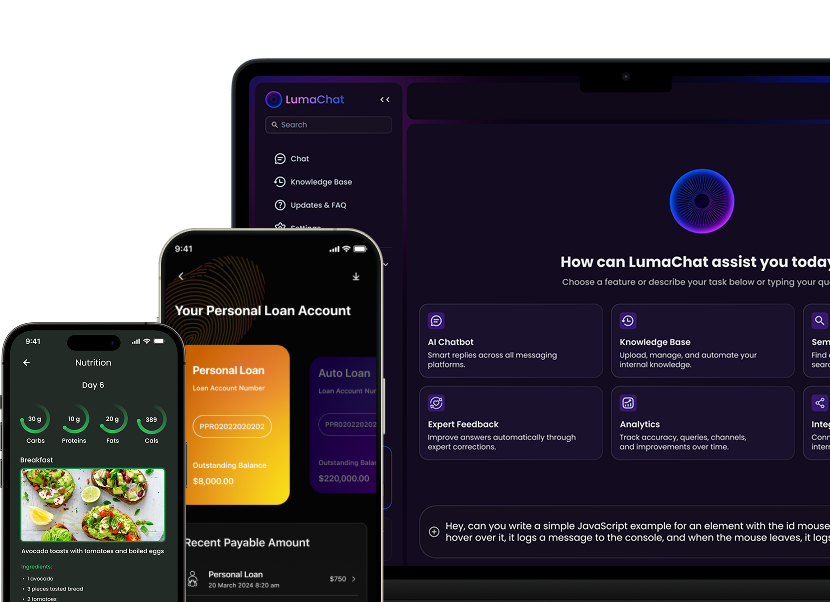
Genius Software developed and deployed an AI chatbot for a mobile solutions company. The team created a self-learning, multilingual system with a microservices-based architecture and live response accuracy. After launching the chatbot, the client experienced a 70% reduction in repetitive expert inquiries, over 90% response accuracy across five languages, and 100% user adoption within the first month.

Kate Zashalovska
Review from

Ukraine
5.0
Genius Software has delivered a high-quality product that has reduced manual transaction review time by four times, fraud detection, and financial losses from fraudulent operations. The team follows an Agile methodology, adapts well to shifting priorities, and integrates seamlessly with the client.

Olexandr
Review from
Estonia
5.0
Genius Software built a blockchain based platform for managing on chain operations and user interactions for our mutual client. The platform served as a single environment where users could connect wallets, interact with smart contracts, and track transaction activity in real time. They get things done fast and with minimal fuss. The product just works.

Anastasiia Cherednichenko
Review from
Ukraine
5.0
It was a pleasure working with the Genius Software team on our embedded platform development project. The team is incredibly organized and made the entire development process feel seamless. The technical execution was spot on, and their ability to manage the project’s moving parts ensured we stayed on schedule without any major hiccups. We were happy to provide a 5.0 rating for the quality of work delivered. I highly recommend the team for anyone needing a reliable, sharp project manager for technical builds.
Jordi B.
Review from

United Kingdom
5.0
Genius Software developed and designed a blockchain platform for an IT company. Genius Software delivered a reliable platform that was adopted shortly after release. The team provided clear structure, quick turnaround, and full visibility into all blockchain activity. Moreover, Genius Software communicated effectively through virtual meetings, emails, and messages.

Alexey Cherevuta
Review from
Ukraine
5.0
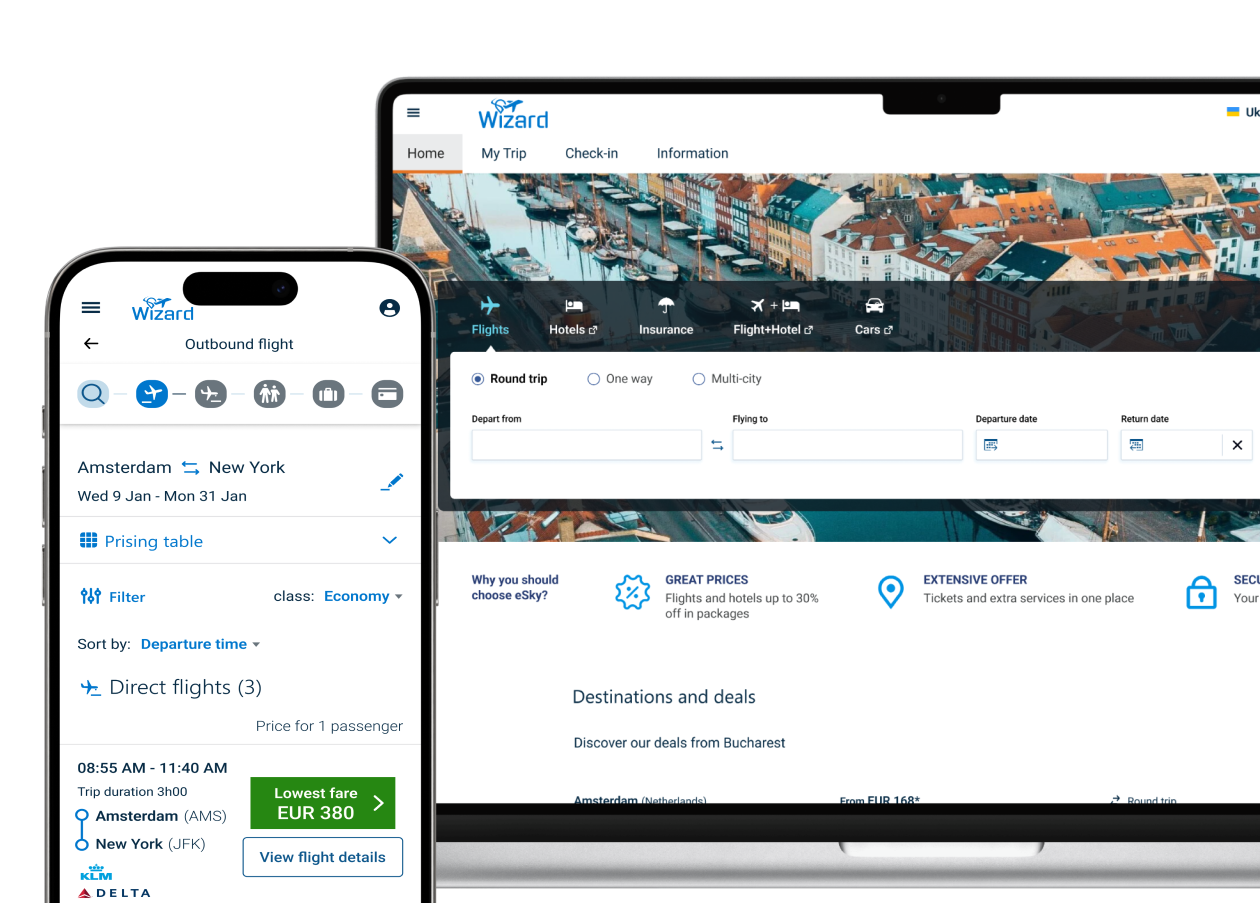
Genius Software developed a cloud-based hospitality platform for a software development company. They built the infrastructure, integrated multiple systems, and created user-facing apps. The platform was launched on time and successfully enabled the client to onboard over 1,000 properties while remaining stable under heavy booking traffic. The team consistently met deadlines and impressed the client with their open communication, reliability, and high-quality work.

Khrystyna Gorodnyk
Review from
Estonia
5.0
We enjoyed working with Genius team on our solution architecture technical audit and code review, he helped our team to identify technical design issues and improve it, also suggested cool engineering AI tools for our dev team, so we highly recommend him and will be happy to work again.

Oleksii Myrnyi
Review from
Estonia
5.0
Great help with our business analysis projects and some advice as well.

Caroline B.
Review from

Denmark
5.0
Genius Software delivered a production-ready platform with secure and scalable infrastructure. The client adopted the platform quickly, and property listings and ad management became much faster. The team had clear deadlines and solid deliveries.

Iryna Seleman
Review from
Estonia
5.0
Genius Software designed and developed an AI-based mobile app for a software development company. The app had an OCR system that extracted data, auto-filled forms, and integrated with compliance systems. Genius Software delivered an impressive product with an OCR accuracy above 95%, a 40% reduction in inspection time, and 90% fewer manual errors in compliance reports.

Viacheslav K.
Review from

Saudi Arabia
5.0
I really enjoyed working with the Genius Software team on our recent project. They are an exceptional team that is consistently positive, friendly, and efficient.
Beyond their technical skills, they genuinely promote a great working environment, which makes the whole process much smoother. I highly recommend them for any team looking for professionals who can keep things organized while maintaining high morale.

Erik Saar
Review from
Estonia
5.0
The Genius QA Automation team did a fantastic job on our project. They were incredibly helpful throughout the process, providing high-quality testing that gave us a lot of confidence in our product. It’s clear they know their way around automation, and they were quick to adapt to our specific testing needs. I’d be happy to keep working with them on future QA and testing tasks. They definitely earned their 5.0 rating. If you need a team that’s efficient and easy to collaborate with, I highly recommend them.
Emma Johansson
Review from
Estonia
5.0
Genius Software delivered a production-ready platform with secure and scalable infrastructure. The client adopted the platform quickly, and property listings and ad management became much faster. The team had clear deadlines and solid deliveries.

Vladislav Komovich
Review from
Ukraine
5.0
We chose Genius Software because they truly understood our business needs. We needed a reliable software partner with skilled engineers, efficient management, and zero downtime — and that’s exactly what they delivered. Their flexibility, transparency, and innovative approach continue to add great value to our collaboration.

Jeroen Megchelen
Review from
Netherlands
5.0
The system has produced a significant competitive advantage in the industry thanks to Genius Software well-thought opinions. They shouldered the burden of constantly updating a project management tool with a high level of detail and were committed to producing the best possible solution

Martin Goutry
Review from
United Kingdom
5.0
We were looking for a trusted technology partner with strong expertise, solid management, and fair pricing. Sergey and the Genius Software team impressed us with their technical knowledge, business understanding, and communication. They built a skilled engineering team, implemented a mature Scrum process, and delivered a high-load web, mobile, and API solution on time and within budget.

Matas Jakutes
Review from
USA
5.0
Sergey and his team helped us rebuild our web platform from a legacy system to a modern, high-load technology stack. They established a mature project management process, designed and developed scalable architecture, and delivered the solution within our budget and timeline. Their dedication and transparency ensured full visibility at every stage of the project.

Anders Filipsen
Review from
Denmark
5.0

Meet us in Estonia
Sergey Lvov
Chief Executive Officer
Address
Talinn, Kesklinna Linnaosa,
Kaupmehe tn 7/120, 10114

Meet us in Poland
Sergey Lvov
Chief Executive Officer
Address
Warsawa, Krakowskie
Przedmieschie 13, 00-071

Meet us in USA
Sergey Lvov
Chief Executive Officer
Address
USA, Tampa, FL 33602, 501 E
Kennedy Blvd #1400

Meet us in Ukraine
Veronika Marchenko
Business Development
Address
Ukraine, Kyiv,
Yaroslaviv Val 15, 01001
Contact Us
Have a question or idea? Our team is here to help
Frequently asked questions
What is hospitality software development?
Hospitality software development means building custom digital systems for hotels, restaurants, travel companies, and related businesses — reservation platforms, property management systems, booking engines, loyalty programs, and guest experience tools. The goal is to automate operations, reduce manual work, and give guests a better experience from first interaction to checkout.
How can hospitality software improve my business operations?
The right software reduces the manual coordination that slows hospitality teams down — automating reservations, syncing availability across channels, managing staff scheduling, and giving managers real-time visibility into what’s happening across the property. Less time on admin means more time spent on the guest experience that actually drives repeat business.
How does the development process work?
We start by understanding your operation — how you currently work, where the friction is, and what you actually need the software to do. From there we define scope, design the system, build in iterative sprints with regular check-ins, test thoroughly, and deploy. You’re involved throughout, not just at the beginning and end.
What does it cost to develop custom hospitality software?
It depends on scope, complexity, and the integrations required. A focused tool — a booking engine or staff scheduling system — costs considerably less than a full property management platform. We scope projects properly upfront so you have a clear number before any work starts, not a surprise at the end.
What industries within hospitality do you build for?
Hotels and resorts, restaurants and food service, travel agencies, vacation rental platforms, event venues, spas and wellness centers, and tour operators. Each has different operational needs and we build accordingly — not one template adapted to fit everything.
How long does it take to build hospitality software?
A focused integration or standalone tool can be ready in weeks. A full custom platform typically takes several months depending on complexity and the number of third-party systems involved. We give you a realistic timeline during scoping — not an optimistic estimate that shifts later.
What are the main goals of hospitality software?
Reducing operational friction, increasing direct bookings, improving guest experience, and giving management better visibility into performance. The best hospitality software works invisibly — staff use it without thinking about it and guests never notice the technology, only the smooth experience it enables.
What technologies are typically used in hospitality software development?
It depends on the product, but common components include cloud infrastructure for reliability and scaling, real-time databases for live availability, API integrations with booking platforms like OTAs and GDS systems, payment gateways, and mobile-friendly frontends for both staff and guests. We recommend the right stack for your specific requirements, not the most fashionable one.


