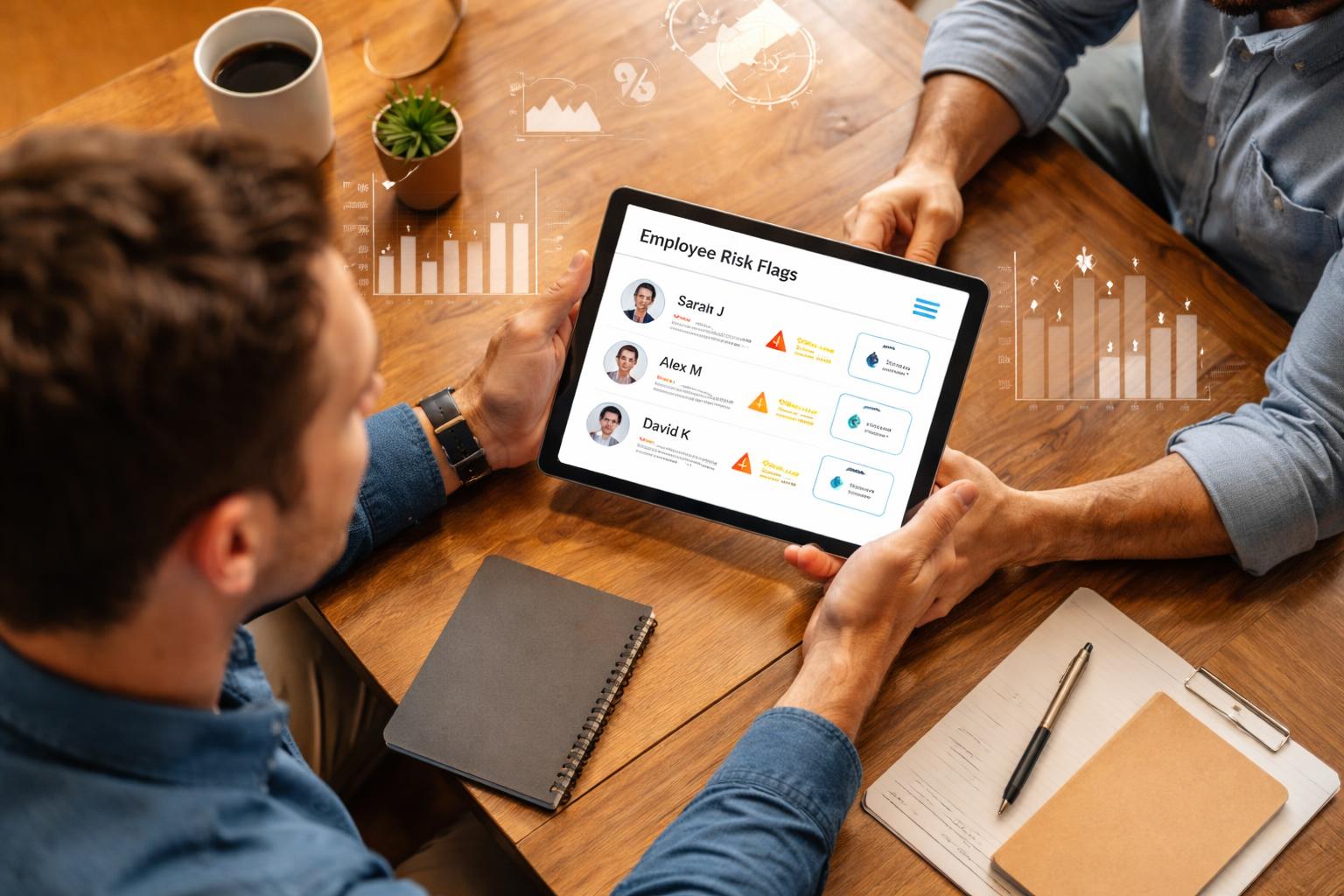

The healthcare industry is undergoing a major transformation towards more consumer-centric care models. This change is being catalyzed by emerging technologies that prioritize transparency, accessibility, and personalization for patients. As consumers take greater ownership over their health journey, they expect healthcare systems to provide the tools to better understand, manage, and direct their own care. New innovations in telehealth, wearable devices, patient engagement platforms, analytics, and social networks are fueling this consumer-driven evolution.
Driving Healthcare’s Digital Transformation
The healthcare industry is undergoing a profound digital transformation. Over the past decade, interest and investment in digital health have skyrocketed, with over $21 billion flowing into the sector in 2020 alone – nearly twenty times the amount in 2010. This transformation goes beyond the adoption of new technologies. At its core, it is about using digital capabilities to provide better, more accessible care to patients.

The COVID-19 pandemic massively accelerated this digital shift across healthcare. As consumer behaviors changed almost overnight, organizations had to rapidly deploy solutions like telehealth to meet patient needs. The use of virtual health services surged by over 90% in 2020. The pandemic emphasized that healthcare must center itself around the patient experience even more than before.
Now 92% of healthcare executives say improving patient experience is a top priority for digital transformation. This means leveraging technologies to provide seamless, personalized, and convenient care options. It also means integrating digital tools that empower patients with more control over their own health.
Transformation at this scale requires a deep organizational commitment. Over 60% of healthcare systems see themselves still in the middle stages of going digital. Migration to new platforms takes thoughtful change management and continual upgrades as new tools emerge.
Still, adapting to today’s digital-first patients is non-negotiable. Healthcare is now a consumer-driven environment where experience matters more than ever. Patients have limitless choices and will switch providers if their needs are not met. Going digital is the only way healthcare organizations can deliver the transparency, access, agency and personalization that health consumers expect in 2023 and beyond.
The digital upgrades underway are building healthcare systems that centers around the lives of the patients they serve – meeting them where they are and providing customized support. This consumer-focused transformation will be the new normal for healthcare from here on out.
Telehealth and Virtual Care
Telehealth uses digital and technology solutions to make healthcare more convenient, accessible, and efficient. Specifically, telehealth leverages platforms like:
- Live video conferencing: Patients can have video consultations with doctors or specialists from their home instead of going into clinics. This allows remote diagnosis, treatment, and follow-ups.
- Remote monitoring: Patients with chronic conditions like diabetes or heart disease can use at-home devices and apps to monitor key health metrics and share real-time updates with their care providers. This facilitates better managed care.
- Digital records and data sharing: Cloud-based patient records enable seamless care coordination between various providers. Test results, prescriptions, notes can be easily shared leading to less repetition.
- Custom education and self-service: Patients can access telehealth portals and apps to get on-demand education on health topics, guidance on various symptoms or illnesses and receive customized recommendations. This raises health literacy.
The potential cost savings and impact from enhanced telehealth adoption is significant—up to $250 billion in the US healthcare spend could be virtualized according to McKinsey. COVID-19 served as a catalyst, with over 50% of US healthcare systems expanding their telehealth capabilities since 2020. With the genie out of the bottle, telehealth is expected to drive better patient access, engagement, outcomes and program efficiency going forward.
Wearable Devices and mHealth Applications

Wearable biosensors embedded in devices like watches, patches and clothing can continuously collect personalized health metrics including heart and respiration rate, skin temperature, blood oxygen levels, sleep cycles and more. This data syncs with smartphone health apps to provide consumers with quantifiable insights into their behaviors, baseline metrics and evolving health patterns.
Patients can share this real-world data with their providers to enable finely customized treatment plans catered to their physiology and lifestyles. The global wearables market is projected to grow over 20% annually, indicating rising consumer demand for self-monitoring and ownership over health statuses. With over 150 million wearable units sold just in the U.S. in 2021, wearables and accompanying apps are poised to drive the shift towards preventive and personalized medicine at scale.
Patient Portals
Patient portals are secure online websites that give patients direct access to their personal health information and medical care team. They are connected to providers’ electronic health record (EHR) systems for real-time information sharing.
On these portals, patients can conveniently:
– View health records like lab/test results, medical history, discharge summaries
– Track prescribed medications, dosages and pharmacy details
– Access clinical notes and instructions from doctors
– Check upcoming appointments, dates for pending tests
– Message nurses or doctors directly with any queries
– Schedule appointments and manage associated paperwork
– Request medication refills instead of calling in
– Start telehealth video visits with providers
Many portals also have virtual assistants that use AI to help automate tasks like scheduling, prescription refills, billing support etc. This saves huge admin work for practices.
For patients, portals enable self-service, transparency and agency over their own care. Over 90% of US healthcare systems now provide a patient portal integrated with their EHR system. This shift towards digital accessibility and participation is empowering consumers to better ownership over health management.
Artificial Intelligence and Healthcare Analytics
Care coordination means organizing patient care between all their doctors, hospitals and health providers. This way each provider can make better decisions by accessing up-to-date patient information from each other. Some technology tools that enable smooth care coordination are:
| Technology | Purpose | Examples |
| Shared Electronic Health Records | Enables all providers to access same patient information | Epic, Cerner |
| Health Data Exchanges | Doctors can share patient records across hospitals | CommonWell, Carequality |
| Patient Portals | Patients access their records and message doctors | MyChart, FollowMyHealth |
| Remote Monitoring Apps | Share real-time health stats from wearables | Glucose monitors, EKG monitors |
| Care Management Platforms | Analyze population health trends for better care | Innovaccer, HealthEC |
These tools allow the patient’s complete health profile to be available digitally to all their caring providers when required. This saves duplication of tests, improves coordination between doctors, and enables better health outcomes for patients at lower costs.
Social Platforms for Health Support
A number of health-related social networks such as PatientsLikeMe have emerged that connect consumers dealing with similar conditions or managing specific challenges such as infertility or weight loss. On these platforms, patients can publicly share their symptoms, medical histories, prescribed treatments and personal experiences to learn from peers navigating parallel health struggles. Others provide mutual emotional support and discuss emerging solutions not well known to all physicians.
Online health communities empower consumers by providing supplementary advice and reducing feelings of isolation. They also help patients become more informed about available options so they can better self-advocate to their providers. It is estimated over 50 million consumers actively use some form of online health community.
Conclusion
In summary, healthcare is rapidly evolving from an industry where consumers played minimal roles except showing up to appointments into an ecosystem that prioritizes patient health ownership, control, understanding and management facilitated by technology. Telehealth, wearable sensors, patient engagement platforms and health analytics tools allow deeper visibility and personalization while social networks provide consumer empowerment through shared knowledge.
As these technologies continue maturing and reaching mainstream integration, we can expect the trajectory towards participatory, patient-centric healthcare models to accelerate across the globe.