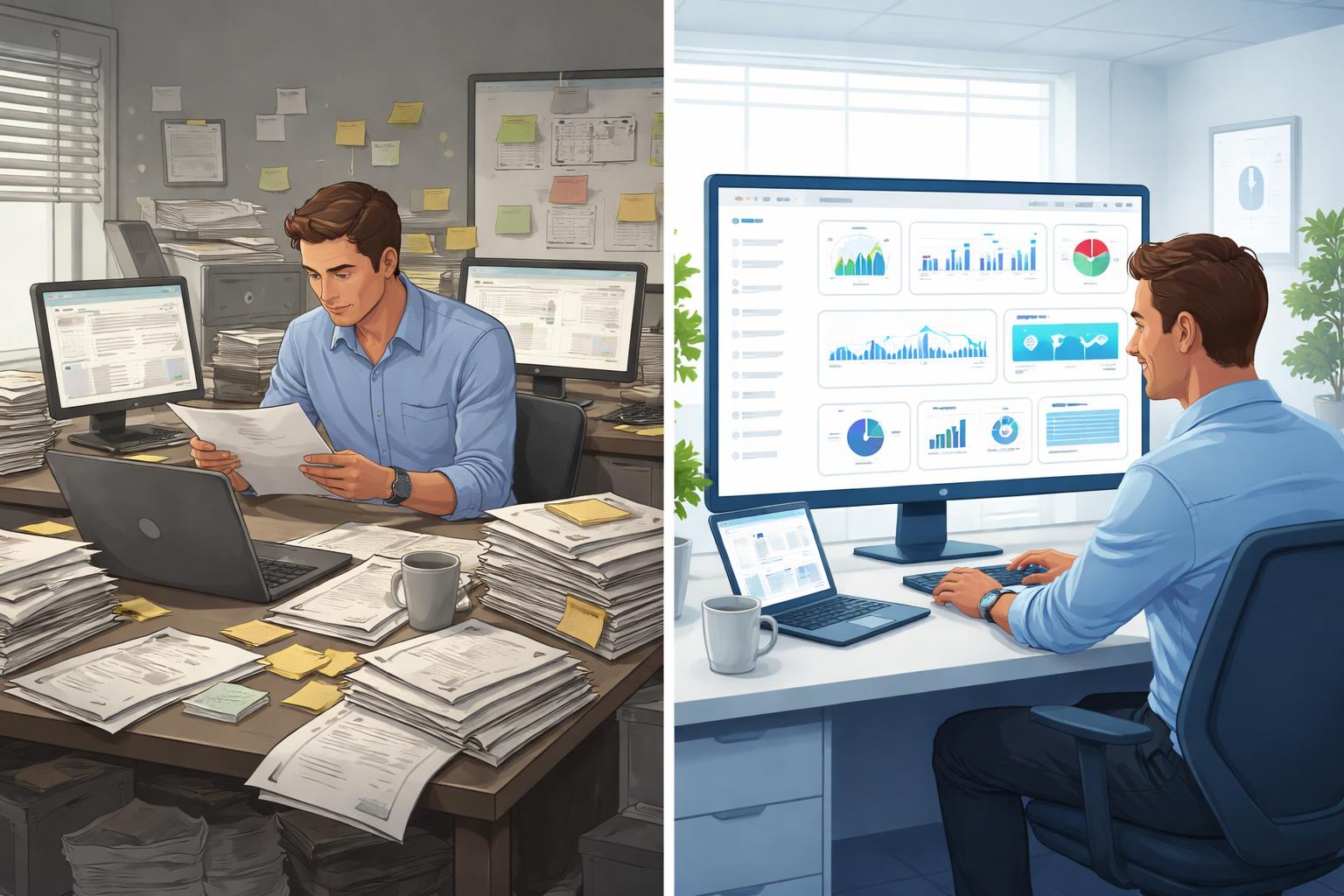

Have you ever landed on a website that justify you in awe of its design and functionality? That’s the magic a professional website designer can weave for your business. In today’s digital-first world, having a functional, aesthetically pleasing, and user-friendly website isn’t just an option; it’s a necessity for any business looking to thrive. Finding the right website designer can feel like searching for a needle in a haystack, with countless options at your fingertips. But fear not! We’ve got you covered. This guide will walk you through expert tips on how to find the ideal website designer that aligns with your business goals, has an impressive portfolio, and understands your vision. Whether you’re launching a new site or revamping an existing one, securing the best talent is pivotal.
Understanding Your Requirements

Before you start looking for a website designer, it’s important to understand your specific needs. Take some time to think about what you want your website to achieve. Do you need an online store, a blog, or just a simple information page? Knowing these details will help you find a designer who matches your expectations. When you have clear ideas, you can communicate them effectively to potential designers. This clarity ensures that the designer understands your vision and can create a website that aligns with your business goals. It also helps in avoiding misunderstandings and ensures a smoother design process.
A designer who understands your needs can create a website that not only looks good but also performs well. This way, the final website will truly reflect your business and help you achieve your objectives. Taking this step will make the whole process much more effective and successful.
Assessing Your Business Needs
Take a moment to evaluate what your business truly requires from a website. Is it an online storefront to sell products, an informative platform to educate your audience, or perhaps a portfolio to showcase your work? Consider factors like the scale of your website, the features it must include (such as contact forms, shopping carts, etc.), and the level of customization you desire. Remember, the complexity and uniqueness of your needs will directly influence your choice of a designer. It’s also wise to think about the future and whether the website can scale or adapt as your business grows.
Defining Your Website’s Objectives
After pinpointing your needs, set clear objectives for what you want the website to achieve. These could vary from increasing sales, generating leads, boosting brand awareness, or providing customer support. Setting these targets helps in communicating your vision to potential designers and evaluating whether their approach can fulfill your goals. Your website’s objectives will also serve as a benchmark to measure the success of the website once it goes live.
Researching Potential Website Designers
With a firm understanding of your requirements and objectives, you’re now ready to dive into the search for the perfect website designer. This phase is crucial and requires a careful approach to sift through the pool of talent and pinpoint a designer who not only has the skills but also the passion to bring your vision to life.
Locating Website Designers
Begin your search by tapping into your professional network for recommendations. Word-of-mouth referrals can lead to trusted and tested designers. Additionally, leverage online platforms such as LinkedIn, design-focused websites like Behance and Dribbble, and even freelance marketplaces. Don’t overlook local talent; sometimes, having a designer in the same time zone or region can facilitate smoother communication.
Reviewing Designer Portfolios
Once you have a list of potential designers, the next step is to scrutinize their portfolios. A portfolio is a window into a designer’s style, creativity, and expertise. Look for diversity in their work that aligns with your business’s industry and the style you envision for your website. Pay attention to the details—how they solve design problems, their approach to user experience, and if their designs are responsive for mobile users. This step is critical in evaluating whether their capabilities and approach to design match your expectations.
Reading Client Testimonials
Beyond the visuals, understanding the designer’s working style and reliability is equally important. This is where reading client testimonials comes into play. Positive feedback from previous clients can offer insights into the designer’s communication skills, timeliness, responsiveness to feedback, and overall professionalism. If possible, reach out to some of the designer’s past clients to ask about their experience. This direct feedback can be incredibly valuable and might reveal aspects of the designer’s work ethic and outcome that aren’t immediately visible in the portfolio.
Finding the perfect website designer for your business involves a blend of self-awareness about your needs and objectives, diligent research, and thoughtful evaluation of potential candidates. By following these steps and using your insights, you can navigate the process more effectively, increasing the likelihood of a successful partnership and a website that powerfully represents your business and meets its goals. Remember, the right designer doesn’t just create a visually appealing website but helps set the foundation for your business’s online success.
Evaluating Compatibility and Expertise

When selecting a website designer for your business, ensuring a good match in terms of both compatibility and expertise is crucial. This phase involves meticulously evaluating candidates not only for their skillset but also for how well their work style and aesthetic align with your business’s online vision. This careful evaluation process ensures that your business’s online presence resonates with your brand and meets your functional requirements.
Assessing Design Style Compatibility
Start by diving deep into the designer’s portfolio. Pay attention to the diversity of their designs and the industries they’ve catered to. Are their designs versatile enough to adapt to your specific business needs? Do you find their style innovative, or does it reflect the vision you have for your website? Understanding the aesthetic appeal and versatility in a designer’s work can dramatically influence the outcome of your project. If their design style consistently resonates with you, it’s a good sign of compatibility. However, it’s equally important to communicate your expectations and see if the designer can adapt their style to meet your requirements.
Checking Technical Skills and Experience
Technical prowess and rich experience are the backbones of effective website design. A proficient website designer should be well-versed with the latest design tools and technologies, including responsive design practices, User Experience (UX), and User Interface (UI) principles. Their portfolio should showcase websites that are not only visually attractive but also functional and user-friendly across different devices and platforms. Ask about their experience with website platforms like WordPress, Shopify, or custom solutions to gauge their versatility and expertise. Additionally, understanding how they stay updated with current trends and technologies is essential for ensuring your website will not become quickly outdated.
Understanding the Designer’s Process
Every designer has a unique approach to projects, and understanding this process is key to a successful partnership. Discuss with potential candidates about their workflow, from initial research and conceptualization to design, development, and post-launch support. Can they provide a clear timeline? How do they handle feedback and revisions? Understanding their process will not only give you insights into how they work but also set clear expectations about deliverables, timelines, and milestones. This aspect is critical for ensuring a smooth, transparent, and productive working relationship.
Budgeting and Negotiating

Creating a website involves various costs, from design and development to hosting and ongoing maintenance. Setting a realistic budget while ensuring you get value for your money is a delicate balance. This stage covers setting clear financial boundaries and negotiating terms that align with your business goals and budgetary constraints.
Setting a Realistic Budget
Before reaching out to designers, have a clear understanding of what you can afford. Research typical costs for website design in your industry to set a realistic budget. Keep in mind that the lowest quote might not always be the best option, as quality often comes at a price. Consider the long-term value of a well-designed website in terms of brand image and customer conversion. Be transparent with potential designers about your budget constraints, but also be open to their suggestions. Sometimes, spending a little more upfront can save money in the long run by avoiding costly redesigns or updates.
Negotiating Terms and Deliverables
Once you’ve shortlisted candidates within your budget, it’s time to negotiate terms and deliverables. Discuss in detail what the project includes, any additional costs that may arise (such as for extra pages or features), and the payment plan. It’s also essential to clarify the project timeline, milestones, and the process for handling revisions or scope changes. To protect both parties, have everything in writing, preferably in a contract that details the scope of work, deliverables, deadlines, ownership rights, and confidentiality agreements if necessary. This step is crucial for laying a solid foundation for the project and ensuring a smooth collaboration.
By carefully evaluating potential candidates for compatibility and expertise, and smartly navigating budgeting and negotiation, businesses can significantly increase their chances of finding the right website designer. The key is to maintain clear communication, establish realistic expectations, and foster a collaborative relationship that brings your business’s digital presence to life.
Communication and Collaboration
When it comes to developing a website that perfectly captures the essence of your business, effective communication and collaboration with your website designer are key. This goes beyond mere discussions about aesthetics; it involves conveying your vision, goals, and the functional requirements of your website. Clear, open, and ongoing communication ensures that your project moves smoothly towards your desired outcome, minimizing misunderstandings and delays.
Establishing Clear Communication Channels
First things first, decide on the primary means of communication. Will it be through emails, phone calls, video conferences, or a combination of these? Whatever the medium, it’s vital to establish this upfront. Regular check-ins can be scheduled to review progress, discuss any changes, and ensure that both parties are aligned with the project’s direction. Utilizing communication tools and project management platforms like Slack, Trello, or Asana can help keep all discussions, documents, and feedback organized in one place, making it easier for both you and the designer to track the project’s progression.
Providing Constructive Feedback
Feedback is the cornerstone of the collaborative process. Be honest yet respectful with your critiques – remember, the goal is to refine and improve the project. When providing feedback, be specific. Instead of saying you don’t like something, explain why and provide suggestions for how it could be improved. For example, if a certain color doesn’t resonate with your brand identity, suggest alternatives that would better align with your brand colors. Encouraging a two-way dialogue not only respects the expertise of the designer but also ensures your needs and expectations are clearly understood.
Finalizing the Decision
Choosing the right website designer is a significant step in your journey to creating an impactful online presence. This decision should be approached with careful consideration, weighing not only the designer’s skills and portfolio but also their ability to communicate, collaborate, and adapt to feedback. Once you’ve assessed all candidates against these criteria, it’s time to make your choice.

Before making your final decision, review all the information gathered during your search. Look again at the portfolios of your top choices, reevaluate their communication style, and consider the feedback process during your interactions. It’s also crucial to think about how well they understood your vision and whether their proposed solutions aligned with your business goals.
Then, it’s discussion time for the nitty-gritty details:
– Finalize Payment Terms: Clearly understand the cost, payment schedule, and any other expenses that may arise during the project. It’s important to have everything in writing to avoid any surprises later.
– Set Clear Deadlines: Agree on a realistic timeline for both the initial design and any revisions. Make sure there’s an understanding of how long each phase of the project should take and establish milestones.
– Sign a Contract: This is essential. A contract should outline the scope of work, deadlines, payment terms, intellectual property rights, and a clause for handling any disagreements or termination of the project. It protects both parties and ensures a mutual understanding of the responsibilities.
Finally, trust is essential. After you’ve done your homework and made your decision, trust in the expertise of your chosen website designer. Good designers not only bring your vision to life but can also offer insights and suggestions based on their experience that could enhance your site’s effectiveness.
Remember, creating a business website is a journey. With the right website designer by your side, it can be a collaborative and enjoyable process that leads to a final product that you’re proud to showcase.
Finding the perfect website designer for your business takes effort. Do thorough research. Communicate clearly. Trust your intuition. Look for someone with technical skills and artistic talent. They should understand your business goals. They should know how to achieve these goals with web design. Set up clear communication channels. Give constructive feedback. Make your decision carefully. This will help you build a successful partnership. Your website will look great and perform well. It will meet your business needs. Good luck creating an online presence that represents your business and attracts ideal customers!
All in All
Choosing the right website designer is crucial for aligning your business’s online presence with its goals and vision. Remember, a great designer doesn’t just make your site look good—they ensure it functions smoothly, meets your audience’s needs, and supports your business’s growth.
– Start by clearly defining what you want your website to achieve.
– Don’t skip on researching potential designers’ portfolios and testimonials.
– Communication is key! Make sure your chosen designer understands your vision and can provide the guidance and support you need throughout the process.
By following these tips, you’re well on your way to hiring a website designer that can create a digital space that not only stands out but also truly represents your business online. Good luck with your search, and here’s to a successful and collaborative partnership with your soon-to-be website designer!