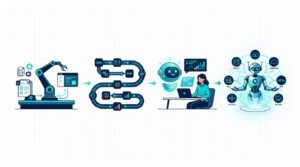



Marketing has changed and grown more intricate than it has ever been. Businesses must keep up with the newest marketing techniques and technologies due to the quick improvements in technology if they want to stay ahead of the competition. The top nine marketing technologies that are anticipated to rule the market in 2024 will be examined in this article. These solutions, which range from video marketing platforms to AI-powered marketing technology, may completely change how companies interact with their target market and succeed online.
Introduction to Marketing Technologies
Marketing technologies are tools that help businesses better understand and reach their customers. As marketing has become more digital and data-driven, these tools have become essential for businesses to succeed.

One type of marketing technology is data analytics tools. Data analysis allow businesses to collect and analyze data about their customers, like what websites they visit, what they buy, and how they interact on social media. By understanding this data, businesses can learn more about what customers want and need. Examples are Google Analytics and Mixpanel.
Another useful type is automation tools. These help businesses automate marketing tasks like sending emails, posting on social media, and nurturing leads (potential customers). By automating these tasks, businesses can save time and provide more personalized marketing. Examples are HubSpot and Mailchimp.
Content management systems are also marketing technologies. They allow businesses to easily create, manage and publish content like websites, blogs and landing pages. This ensures their online presence is consistent. Popular ones include WordPress and Drupal.
Social media management tools make it easier to use social platforms for marketing. They help schedule posts, engage with audiences, and track social media metrics. Examples are Hootsuite and Sprout Social.
Finally, customer relationship management (CRM) systems help manage customer data and interactions throughout the sales process. They track leads, manage pipelines, and build customer relationships. Salesforce and HubSpot CRM are common examples.
Overall, marketing technologies give businesses data-driven insights into their customers and automate many marketing tasks, allowing for more efficient, personalized and successful marketing strategies.
Importance of Staying Updated with Marketing Tools
In the fast-paced world of marketing, staying updated with the latest tools and technologies is crucial for success. By embracing new marketing technologies, businesses can unlock new opportunities and reach their target audience in more impactful ways. These tools not only streamline marketing processes but also enhance the overall customer experience. By staying updated, businesses can adapt to changing consumer behaviors and preferences, ensuring that their marketing efforts remain relevant and effective.
As technology continues to advance, marketers must embrace innovation and stay ahead of the curve. By incorporating the latest marketing tools into their strategies, businesses can gain a competitive advantage, improve their ROI, and drive growth in the digital age.
AI-Powered Marketing Technologies
Artificial Intelligence (AI) is changing marketing in big ways. It helps businesses automate tasks, personalize customer experiences, and make smart decisions based on data. AI-powered marketing tools use machine learning to study lots of data and give useful insights for marketing plans.

One example is AI chatbots. They improve customer service by giving quick answers and personalized suggestions. These chatbots also collect data on what customers like and how they behave. This helps businesses target their marketing better and engage customers more effectively.
Another example is AI-driven predictive analytics. These tools study customer data to find patterns and trends. This helps businesses understand what customers might need in the future. They can then create personalized marketing campaigns.
By using AI, businesses can:
- Automate marketing tasks
- Personalize customer experiences
- Make smart, data-based decisions
- Improve customer service with chatbots
- Gather valuable customer data
- Understand customer needs with predictive analytics
- Create effective marketing campaigns
- Boost customer satisfaction
- Increase revenue
AI helps businesses improve their marketing efforts, keep customers happy, and grow their profits.
Big Data Analytics Platforms
In the era of big data, businesses have access to an abundance of customer information. However, the challenge lies in making sense of this data and using it to drive marketing strategies. Big data analytics platforms are designed to process and analyze large volumes of data, providing businesses with actionable insights that can inform marketing decisions.
These platforms can help businesses understand customer behavior, preferences, and purchasing patterns. By leveraging these insights, businesses can create targeted marketing campaigns that resonate with their audience, resulting in higher conversion rates and increased customer loyalty.
Furthermore, big data analytics platforms can also help businesses measure the effectiveness of their marketing efforts in real-time. By tracking key performance indicators, businesses can identify areas for improvement and optimize their marketing strategies for better results.
Marketing Automation Tools
Marketing automation tools are designed to automate repetitive marketing tasks, allowing businesses to streamline their processes and focus on more strategic activities. These tools enable businesses to create personalized customer journeys, nurture leads, and automate email marketing campaigns.
By automating routine tasks, businesses can save time and resources while delivering a seamless and consistent customer experience. Marketing automation tools can also help businesses nurture leads by sending targeted messages based on customer behavior and preferences, increasing the chances of conversion.
Moreover, these tools provide valuable insights into customer interactions, allowing businesses to fine-tune their marketing strategies and improve their overall performance. With marketing automation tools, businesses can scale their marketing efforts, improve efficiency, and drive revenue growth.
Chatbots and Conversational Marketing

Chatbots have gained immense popularity in recent years, and for a good reason. These AI-powered virtual assistants can engage with customers in real-time, providing instant support and personalized recommendations. Chatbots can be integrated into websites, social media platforms, and messaging apps, allowing businesses to deliver a seamless customer experience across multiple channels.
Conversational marketing, powered by chatbots, enables businesses to engage with customers in a more interactive and personalized way. By leveraging natural language processing capabilities, chatbots can understand customer inquiries and provide relevant information or assistance.
Chatbots can also gather valuable data about customer preferences and behaviors, enabling businesses to personalize their marketing efforts and improve customer satisfaction. With the rise of messaging apps and the increasing demand for instant support, chatbots are becoming an essential tool in the marketer’s arsenal.
Virtual Reality and Augmented Reality in Marketing
Virtual reality (VR) and augmented reality (AR) technologies are transforming the way businesses engage with their customers. These immersive technologies allow businesses to create interactive and memorable experiences that capture the attention of their target audience.
VR can transport customers to virtual environments, enabling them to explore products and services in a realistic and engaging manner. For example, a furniture retailer can use VR to allow customers to virtually place furniture in their homes to visualize how it would look before making a purchase.
AR, on the other hand, overlays virtual elements onto the real world, enhancing the customer experience. AR can be used for product demonstrations, interactive advertisements, and even gamification.
By incorporating VR and AR into their marketing strategies, businesses can differentiate themselves from the competition, create memorable experiences, and drive customer engagement.
Voice Search Optimization Tools
With the rise of voice assistants like Siri, Alexa, and Google Assistant, voice search is gaining popularity as a convenient way for consumers to find information and make purchases. Businesses need to optimize their marketing strategies to cater to this growing trend.
Voice search optimization tools help businesses optimize their websites and content for voice queries. These tools analyze user intent and provide recommendations for creating voice-friendly content. By optimizing for voice search, businesses can ensure that their content is discoverable and relevant to voice assistant users.
Additionally, voice search optimization can also enhance the overall user experience by providing faster and more accurate results. As voice search continues to grow, businesses that embrace this technology will have a competitive advantage in reaching their target audience.
Video Marketing Platforms
Video marketing has become increasingly popular as consumers prefer visual content over text-based content. Video marketing platforms enable businesses to create, distribute, and analyze video content across various channels.
These platforms provide businesses with tools to create professional-quality videos, edit them, and add interactive elements. They also offer distribution capabilities, allowing businesses to share their videos on social media platforms, websites, and email campaigns.
Video marketing platforms also provide analytics to measure the performance of video campaigns. Businesses can track metrics such as views, engagement, and conversion rates to optimize their video marketing strategies and achieve better results.
Videos are highly engaging and can convey messages more effectively, making them a powerful tool for businesses to connect with their audience and drive brand awareness.
Final Thoughts
Success in the ever-changing field of marketing depends on keeping up with the newest technological developments. The article highlights the top nine marketing technologies that businesses can leverage to optimize their marketing efforts and accomplish their objectives. These technologies include AI-powered marketing technologies, big data analytics platforms, marketing automation tools, chatbots and conversational marketing, virtual reality and augmented reality, voice search optimization tools, and video marketing platforms.
Businesses may automate repetitive operations, increase targeting and customization, improve client experiences, and obtain insightful data about their marketing effectiveness by utilizing these technologies. Businesses who adopt and make use of these marketing tools will be better positioned to prosper in the digital world of 2024 and beyond as technology continues to progress.